How to Process Big Data for Business within a Strict Budget
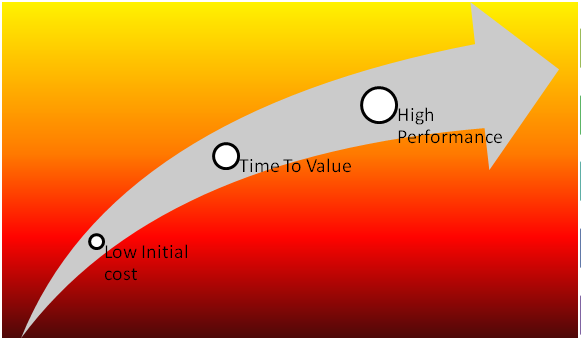
In order to get the best out of big data, enterprises invest in essential big data requirements like software, hardware, as well as some new staff. Big data cost for business need not be massive. It need not have heart breaking expenses and can be processed with Hadoop at a low cost. Here we would talk about ways to lower the costs involved in big data usage and getting the best results from it.
Tips on Lowering the Costs
- Control on Data Collection with Focus on Data Collection Objective: Some enterprises commit the mistake of focusing on collecting too much data. Most of this data collection is not necessary and only increases the costs involved in processing big data. If businesses concentrate on collecting only required data with an aim to have strategic decisions can help to narrow down the scope of the project. With this, one can keep the data collection tightly associated with business goals. Collection of only essential data would result in reduction of cost
- Using Existing Resources Optimally: Before using any new technology, businesses need to know what is already in use. A company can use the data which already exists, which can considerably cut down on the costs. By making optimum use of existing resources and technology, before adopting any new technology, a business can not only save money, but can benefit the organization by saving time as well which would otherwise get wasted in data collection and alignment of hardware and software requirements.
An enterprise may be collecting data that is useful already and may not necessitate recollecting it. A business might have lot of useful data stored already which can be processed for gaining market insight and learning about consumer trends for the benefit of correct decision making. This can result in achieving important business objectives from existing resources itself, without using any new data collection efforts.
- Assessing Infrastructure Elements: There are some basic infrastructural elements that should be appropriately assessed to get the best use of big data. The four key infrastructure elements are as follows.
- Data sources for obtaining the data. Data storage for in time retrieval and future processing. Data analysis for getting the best results and output. Data output after processing of the big data.
Assessing the existing resources is essential for any enterprise for each of the above elements. Knowing what you already have in-house and what more resources are needed can help to plan technology budgets in a meticulous manner.
- Savings on Software: Reducing cost on software can be done by using free software like Hadoop, which can help easy processing of huge amount of data without incurring huge costs. Using open source software for data analysis requires less investment of time in training too. One can make use of distributed software that helps in processing huge amount of data at low cost. This will dispense with the necessity of investments in huge amount of hardware and software resources for processing data.
- Big Data as a Service (BDaaS): It would be good using big data as a service or BDaaS. It presently includes different kind of big data function outsourcing to the cloud. This can include data supply, analysis, creation of reports etc. Moreover, there are many companies that help other organizations to solve their data problems with the help of cloud based data services. This makes usage of big data an economic solution even for smaller companies and helps them connect easily to external skills and resources.
Economic use of big data helps even the smaller and medium sized companies to store, retrieve, and process data without harnessing external resources and skills. By combining it with applications like Hadoop in real time implementation, this is achievable.
Stay Connected to Indian America
Get the latest community stories, local events, entertainment and lifestyle updates delivered to your inbox.


