How to Become a Successful Business Analyst
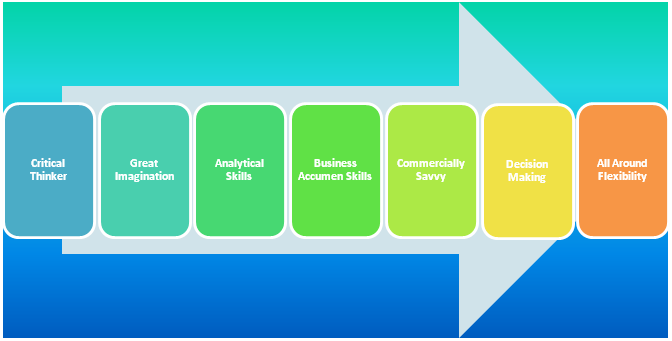
Business analysis is a research based discipline to identify business requirement and determine the solutions to many issues faced while operating a business. Apart from the development components of the software-systems, various solutions to the problems include organizational change, process improvement, strategic planning and policy development. Learning business analysis can enhance your expertise as an adept business analyst.
Steps involved in Business Analysis and the key responsibilities of a Business Analyst are:
Step 1: Get Oriented
The first step of business analysis is getting acquainted with the project. Sufficient time should be spent to understand the scope, objectives and requirements of the project, so that it is carried out effectively without any glitches.
Responsibilities:
- Identifying and determining the primary stakeholders to employ in outlining the scope and objectives of the project. The stakeholders vary from one project to another and include suppliers, customers, external auditors, regulatory officials and financial reporting experts.
Step 2: Discover the Primary Business Objectives
The next step is to discover and understand the objectives of a project before plunging directly into the scope of the project.
Responsibilities:
- Ensuring that the business objectives are well defined and can be executed. A vital responsibility of a BA professional is to realize the expectations of the project from the primary stakeholders.
Step 3: Define Scope
The third step in the process of business analysis is to define and understand the scope of the project. The scope of a project makes the requirement of a business feasible so that the multiple participants of the team can visualize their contribution to the project and the implementation of it.
Responsibilities:
- Defining an approach to the solution, so that the extent and nature of the technology to be employed can be determined and certain alterations can be made to the business process before implementing it as a solution to satisfy the primary business objectives.
- As a business analyst you should draft a scope statement and review it with the prime technology stakeholders.
Step 4: Formulate Your Business Analysis Plan
As a business analyst you should device a feasible business analysis plan that can be made use of to define the requirement of the project. This business plan could act as a guide and answer important queries for your project team while the project is in operation.
Responsibilities:
- Selecting the most suitable business analysis deliverables keeping in mind the method, scope and other vital aspects of the project.
- The deliverables of the project should be clearly elucidated and the prime stakeholders of the project should be identified who would be part of the designing and acceptance of the deliverables.
Step 5: Define the Detailed Requirements
This is an important step as without precise and actionable requirements, the project team would fail to implement the business plan effectively. As an efficient business analyst, the deliverables should be properly sequenced for the success of the project.
Responsibilities:
- After procuring information and analyzing it, a draft should be prepared coveringthe deliverables and the requirements of the project.
- As a proficient BA, you should identify the requirements of the stakeholders and should review and confirm each deliverable with the suitable stakeholders and should ask questions by means of questionnaires, surveys, interviews and spontaneous group discussions to fill gaps.
Step 6:Identifying the Current Business Process and Analyzing the Difference
With the help of modeling, reviewing of documentation and research, the ongoing business process is identified and the difference between the stake holders’ requirements and the current business process are analyzed and any issues thereby are addressed.
Responsibilities:
- The duty of a competent business analyst is to ascertain the unmet requirements of a stake holder and fixing the issues.
Step 7: Help the Business Implement the Solution
This is the final step of the business analysis and involvement of a business analyst in this stage is very important to ensure that the business users are ready to embrace the changes mentioned in the project. Otherwise the efforts of the business analyst and technical team go in waste.
Responsibilities:
- Training the end-users so that they understand the changes and accept them.
These steps would act as a guide to help you to emerge as a successful business analyst, which is a very promising career. You can hone your skills with business analysis training and land yourself a high profile job in one of the reputed companies.
Stay Connected to Indian America
Get the latest community stories, local events, entertainment and lifestyle updates delivered to your inbox.


