A Comprehensive Look at the Career of a .NET Developer
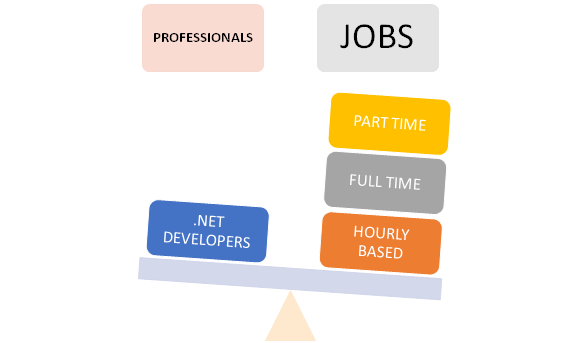
The ASP.NET framework, developed and marketed by Microsoft, is a major framework for the development of applications and dynamic web pages. The increased accessibility to internet services around the world has resulted in numerous career opportunities for a .NET developer. The constantly changing IT sector require, .NET developers to be dynamic, but there are a few basic requirements for people who want to pursue a career in, .NET development.
Computer Science students with a bachelor’s degree and a .NET certification can pursue careers as .NET developers. People looking for higher salaries need to build up developing experience in the IT sector for a few years before they can finally land lucrative jobs. Most companies nowadays prefer individuals who are also familiar with other development frameworks, as this familiarity can be handy during projects with multi-dimensional development requirements.
Skills to Become a Successful Developer
- Good analytical, debugging and troubleshooting abilities for resolving problems during the phases of coding, development, and testing.
- Fundamental knowledge of languages such as HTML and XML as these languages are the foundation of web development.
- In-depth understanding of .NET concepts, CSS, and languages like C++ and VB.
A .NET Developer’s Roles and Responsibilities
- Understanding the demands of the client and using programming languages such as C++, MSSQL, and VB.net to develop web pages and applications.
- Performing thorough tests and quality checks to make sure that the final product to be delivered to the client is completely free of errors.
- Maintaining developed websites and ensuring that they are updated according to further instructions from the client.
- Acting on feedback provided by a client to improve or change a particular aspect of the web page or application. Applications have to be updated in order to make them compatible with new operating systems.
- Testing developed websites on all mainstream browsers to ensure smooth end-user experience on all possible platforms.
- Providing technical support to clients when needed.
- Designing and maintaining back-end databases for all developed applications and web pages.
- To be up-to-date regarding the latest developments and trends in the IT sector, and utilizing gathered information to enhance website and application development.
The Importance of .NET Training
As mentioned before, the IT sector is constantly witnessing changes and it can be pretty hard to keep pace with the daily advancements. However, it is vital that developers keep learning as their careers grow because today’s technology will be stagnant tomorrow and obsolete the day after.
It is also necessary for developers to learn from seniors at work, who might be able to provide valuable insights into the technical aspects of development and certain tricks of the trade. External certification courses are also great ways of staying in touch with the changes in the IT field.
Workplace and Working Hours
Most .NET developers typically work for an average of 40 hours each week. However, you can expect working hours to increase in case there are stringent deadlines to be followed.
Traveling may be involved, but it is mostly dependent on the requirements of clients. Some clients need developers to be present at their sites and if the clients’ offices are located at far off places, expect to spend some time away from home.
Some companies with more flexible policies even allow developers to work from home.
Career Progression
A developer who performs well is generally promoted to the position of the senior developer after a few years. Further experience as a senior developer generally opens a door to managerial positions such as project manager, ensuring high salaries.
An ASP.NET developer is a highly treasured asset to any IT company nowadays and is a rewarding line of work if you do your job well.
Stay Connected to Indian America
Get the latest community stories, local events, entertainment and lifestyle updates delivered to your inbox.


