An Introduction to Indian Classical Dances
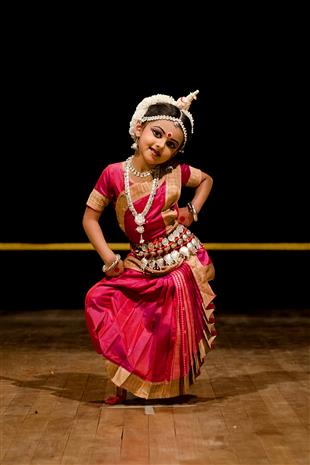
India has years of old traditions, fine arts, classical and folk music and dances. Some of the world famous dance forms that had originated and evolved in India are Bharatanatyam, Kathakali, Kuchipudi, Manipuri, Odissi and Mohinattam. All these dance forms use the same “Mudras” or hand gestures and signs as a common language of expression that were originally performed in temples to entertain various Goddesses and Gods.
Classical Indian dance classes effectively carry forward the various mythological stories from generation to generation as it entertains the audience. These classical dances have become a part of “Natya Shastra” as put further by Sage Bharata to compile and forge some rules and regulations of entertaining arts. These dances have evolved to include the expressions and themes from social life and experiences.
Different Forms of Classical Dances
Classical Indian dances are classified into different forms:
- Bharatanatyam – This dance form is more popular in South Indian states like Tamil Nadu and Karnataka and is almost 2,000 years. Bharatanatyam was revealed by Lord Brahma to Bharata, a famous sage, who then codified this sacred dance in a Sanskrit text known as NatyaShastra. The text is regarded as one of the fundamental treatises on Indian drama and aesthetics.
- Kathak – This form originated in North India and is derived from the word “Katha”, which means “the art of story-telling”. In ancient India, there were Kathakars who used to recite religious and mythological tales to the accompaniment of music, dance and mime.
- Kathakali – The word Kathakali means “Story-Play” and it is known for its heavy, elaborate makeup and costumes. The colorful and interesting costumes of Kathakali have become the most recognized icons for Kerala. Classical Indian dance classes, which give lessons in Kathakali, presents themes derived from the Ramayana, the Mahabharata and other Hindu mythologies, epics and legends.
- Kuchipudi– The word Kuchipudi originated in the Kuchipudi village of Andhra Pradesh. In the 17th century, Kuchipudi village was presented to the Brahmins who were experts in staging drama and dance. Like other dances, it also comprises of pure dance, mime and histrionics. It is the use of speech that differentiates Kuchipudi’s presentation as a dance drama.
- Manipuri – It is indigenous to Manipur, a North Eastern state of India. The Manipuri style of dance is inextricably woven into the life pattern of Manipuri people. The most distinct part of Manipuri dance is the lightness of steps, colorful decorations, poetic charm, delicacy of the dramas presented and lilting music.
- Mohiniattam – It is derived from the words “Mohini” (Beautiful women) and “Attam” (Dance). Mohiniattam is a beautiful feminine style of dance with a surging flow of body movements. In Kerala, this dance was developed in the tradition of Devadasi system and later attained a classical status.
- Odissi– The Odissi dance form is almost 2,000 years old and is a highly inspired, passionate, ecstatic and sensuous form of dance.
Classical Indian dance classes offer the chance to practice one or more of these beautiful styles of dance. If you want to practice something that is more up-to-date, you can take up modern Indian dance classes which area mixture of classical moves and modern elements.
Stay Connected to Indian America
Get the latest community stories, local events, entertainment and lifestyle updates delivered to your inbox.


