Mithuna Sankranti
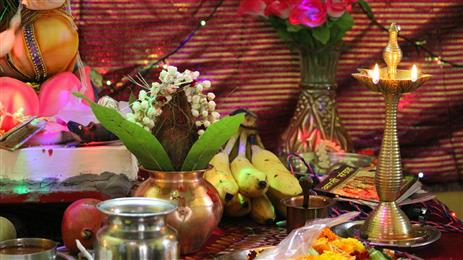
Sankranti comes every time there is a transition from one zodiac to the other and hence there are 12 Sankrantis in a year. Mithuna Sankranti marks the transition from Vrishabha Rashi (Taurus) to Mithuna Rashi (Gemini) falls in June. Since it marks the advent of the monsoons and the start of the agricultural season, it’s the period of fertility and is very auspicious and all the rituals mark this. While it is of importance all over India, it is celebrated with special fervour in Odisha and is called Raja Parba.
The changes in the sun during this period have great astrological significance and each day has to be celebrated with a puja. Raja Parba festivities occur over 4 days and each day is of a special significance.
The 4 days of Mithuna Sankranti
Mother Earth or Bhumidevi is compared to a fertile woman and the first 3 days (Pahli Raja, Mithuna Sankranti, Bhu Daaha) are compared to the menstrual period with the 4th day (Vasumati Snan) celebrated by a ceremonial bath of turmeric given to the deity or to a grinding stone which is a symbol of the earth. The grinding stone is then decorated with flowers and vermilion. Bhudevi is the wife of Lord Vishnu and so both are paid obeisance during this time.
Rituals to be followed
Like traditionally believed, when the first 3 days are a period of rest for a menstruating woman, similarly these 3 days the earth is given a rest. Farmers do not till their land during this time. Unmarried women get up at dawn before the first day of the festival and have a bath and apply turmeric and they do not bathe for the next 2 days. They do not do any work on these days. Prior to these 4 days, the house is cleaned with special attention to the grinding stone, which will not be used during this period.
During this time clothing, food or money is donated to the needy. Also, people fast to the Sun God to have a healthy and happy life.
During Mithuba Sankranti, followers also pay homage to their ancestors and a visit to the temple to offer puja in their memory is a great way to bring alive their memory.
While women are involved with the many rituals, it is also a period of fun for the men as they do not work during this time. Kabbadi contests are often organized especially in the rural areas.
Stay Connected to Indian America
Get the latest community stories, local events, entertainment and lifestyle updates delivered to your inbox.


