10th March, 2013, is Maha Shivarathri.
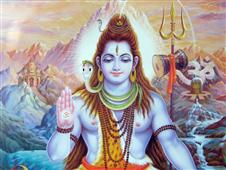
Though we have monthly Shivarathri, Maha Shivarathri also known as Padmarajarathri has greater significance. It is a festival celebrated every year in reverence of Lord Shiva, the Adiyogi. Maha Shivarathri literally means the great night of Shiva. It is celebrated every year on the 13th night/14th day of the Maagha or Phalguna month of the Hindu calendar, in the dark fortnight or Krishna Paksha (waning moon). A gift from nature, the unique planetary positions on this night initiate an upsurge of energy in the human system. By staying awake and keeping the spine erect one can reap immense benefits. As per Hindu Mythology, a devotee who performs sincere worship of Lord Shiva on the auspicious day of Maha Shivarathri is absolved of all sins and attains moksha.
The festival is principally celebrated by offerings of Bael or Vilva leaves to Lord Shiva, daylong fasting and an all-night long vigil.
After creation was complete, Parvathi asked Lord Shiva which devotees and rituals pleased him the most. The Lord replied that the 13th night of the new moon, during the month of Maagha, is his most favourite day. Parvathi repeated these words to her friends, from whom the word spread over all creation.
The Story Of King Chitrabhanu
Once upon a time King Chitrabhanu of the Ikshvaku dynasty, who ruled over the whole of Jambudvipa (India), was observing a fast with his wife, it being the day of Maha Shivarathri. The sage Ashtavakra came on a visit to the court of the king.
The sage asked the king the purpose of his observing the fast. King Chitrabhanu explained that he had a gift of remembering the incidents of his past birth, and in his previous life he had been a hunter in Varanasi and his name was Suswara. His only livelihood was to kill and sell birds and animals. The day before the new moon, while roaming through forests in search of animals, he saw a deer, but before his arrow flew he noticed the deer’s family and their sadness at its impending death. So he let it live. He had still not caught anything when he was overtaken by nightfall and climbed a tree for shelter. It happened to be aBael (Vilva) tree. His canteen leaked water, so he was both hungry and thirsty. These two torments kept him awake throughout the night, thinking of his poor wife and children who were starving and anxiously waiting for his return. To pass away the time he engaged himself in plucking the Vilva leaves and dropping them down onto the ground.
The next day he returned home and bought some food for himself and his family. The moment he was about to break his fast a stranger came to him, begging for food. He served the food first to stranger and then had his own.
At the time of his death, he saw two messengers of Lord Shiva, sent to conduct his soul to the abode of Lord Shiva. He learnt then for the first time of the great merit he had earned by unconscious worship of Lord Shiva during the night of Shivarathri. The messengers told him that there had been a Shiva Lingam at the bottom of the tree. The leaves he dropped had fallen on the Lingam, in imitation of its ritual worship. The water from his leaky canteen had washed the Lingam (also a ritual action), and he had fasted all day and all night. Thus, he unconsciously had worshipped the Lord. As the conclusion of the tale the King said that he had lived in the abode of the Lord and enjoyed divine bliss for a long time before being reborn as Chitrabhanu. This story is narrated in the Garuda Purana.
According to the Shiva Purana, the Maha Shivarathri worship should incorporate six items: offering vilva leaves to the deity after giving it a ceremonial bath, which represents purification of the soul; applying vermilion paste on the linga after bathing it, which represents virtue; offering food, which is conducive to longevity and the gratification of desires; lighting incense, which yields wealth; lighting an oil lamp, which signifies the attainment of knowledge; and offering betel leaves, which marks satisfaction with worldly pleasures. These six items form an indispensable part of the Mahashivaratri worship, be it a simple ceremony at home or grand temple worship.
Sahasrakalasabishekam
This is a very special and rare puja conducted during 10 days of Maha Shivarathri festival. It is well known that Lord Siva is abhishekapriya (lover of ablutions). Lord Parasurama and Kroshta Muni, during their worship of the Lord here, are believed to have bathed the deity with Sahasrakalasam or a thousand pots of holy water according to Vedic rites. Now, during Maha Shivarathri festival days, the Head Priest (Thanthri) and his team perform this puja. It is a ten day function, each day an offering of 101 Kalasam or pots of holy water (100 being made of silver, while one is made of gold), surcharged with mantras recited by learned Brahmins seated on the Mukhamantapam. These are poured on the deity, the golden pot Brahmakalasam being the last one. A magnificent light is the indication or identity of Lord Shiva and the Shiva Lingam is considered to be the symbol of it. Hence, the formal worship on Maha Shivarahtri consists of bathing the Shiva Lingam. Lord Shiva is said to be burning with the fire of austerity and so only those items are offered to Him that have a cooling effect. A cool water bath is believed to propitiate Him best. There is a belief among devotees that participation in Sahasrakalasam and offering holy worship materials, will lead to blessings with prosperity and peaceful life. Hundreds of devotees throng the shrine with chants of “Namah Shivaya”, “Hara Hara Mahadeva”, and “Sambho Mahadeva”.
Panchaakshari
Shiva, as the god of destroying evil, is the third among the divine trinity of Hindu mythology. The holy mantra consisting of five-syllables: “Na” “Ma” “Shi” “Vaa” “Ya” (Om NamaH Shivaaya) in praise of Lord Shiva is chanted incessantly on special occasions like Shivarathri. His thousands of names, each of which describe His greatness, are also be chanted. Shiva means “auspicious”. As Shankara, He is the giver of happiness to all.
On this auspicious day, devotees should chant the following holy names of Lord Shiva to get his blessings:
Om Bavaya Namaha
Om Sarvaya Namaha
Om Rudhraya Namaha
Om Paupathaye Namaha
Om Ukraya Namaha
Om Mahadevaya Namaha
Om Bheemaya Namaha
Om Isanaya Namaha
And even a day of fasting does include some food! Here's a traditional Maha Shivarathri recipe made out of Sakkaravalli Kizhangu (sweet potato):
Ingredients:
Sakkaravalli Kizhangu: 2 nos.
1/4 cup: Jaggery
1/2 cup: Water
3-4: Elaichi/cardamom powder/seeds
2 tsp: Ghee
Method:
Wash, peel and pressure cook Sakkaravalli Kizhangu for 15 minutes or till it becomes tender. Then cut in cubes.
Take water in a kadai/pan and put jaggery in it. Keep stirring till jaggery melts down. Strain the jaggery.
Now add Sakkaravalli Kizhangu in it and sprinkle the cardamom powder or the seeds.
Pour ghee and mix well. Remove from fire and after naivedya, eat and distribute.
May Lord Shiva shower all of us with His Choicest Blessings!