How Much Sleep Does Your Child Really Need? (Age-wise Guide)
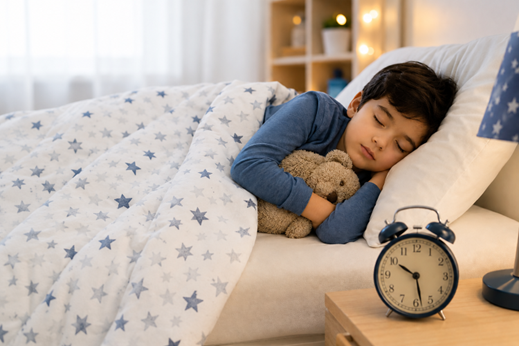
Sleep is the cornerstone of your child's growth, learning, and happiness. Yet, many parents in bustling cities like New York wonder: How much sleep does my child really need? This age-wise guide breaks it down, helping you ensure your little one thrives. Backed by pediatric experts, these recommendations come from organizations like the American Academy of Sleep Medicine.
Newborns (0-3 Months): 14-17 Hours Daily
Tiny bundles of joy need the most shut-eye. Newborns sleep 14-17 hours in short bursts around the clock, fueling rapid brain development and immune strength.
Establish a calm routine with dim lights and white noise to mimic the womb. Watch for overstimulation from New York's vibrant sounds—soft curtains help!
Infants (4-11 Months): 12-15 Hours with Naps
As babies hit 4 months, sleep consolidates into longer nighttime stretches plus 2-3 naps totaling 12-15 hours.
This stage supports motor skills and emotional bonds. Pro tip: A consistent bedtime ritual, like a warm bath followed by a lullaby, prevents night wakings.
Toddlers (1-2 Years): 11-14 Hours, Fewer Naps
Active toddlers require 11-14 hours, often with one nap dropping to none by age 2. Sleep aids language explosion and exploration.
In India's warm climate, lightweight cotton bedding keeps them comfy. Limit screens an hour before bed to avoid melatonin disruption.
Preschoolers (3-5 Years): 10-13 Hours for Energy
Preschoolers need 10-13 hours to power imagination and social skills. Most drop naps, sleeping solidly at night.
Create a sleep-friendly zone: cool room (20-22°C), no caffeine treats. Stories at bedtime boost vocabulary while signaling rest time.
School-Age Kids (6-13 Years): 9-11 Hours Minimum
Growing minds demand 9-11 hours for focus, memory, and academic success. Homework and play drain energy fast.
New York's school traffic means early rises—counter with 8 PM bedtimes. Encourage winding down with reading, not gadgets.
Teens (14-17 Years): 8-10 Hours for Growth Spurts
Teens crave 8-10 hours amid hormones and studies, yet often get less. Poor sleep links to mood dips and poor grades.
Promote routines: No late-night scrolling. A dark, quiet space combats urban noise.
Signs Your Child Isn't Getting Enough Sleep
Irritability, hyperactivity, or daytime dozing? These red flags signal sleep debt. Track patterns and consult a pediatrician if persistent.
Ready to Prioritize Your Child's Sleep?
Great sleep starts with expert care! Discover trusted babysitters, pediatricians, and sleep consultants on Sulekha Care Services. From nanny services to child wellness pros in USA and Canada, find verified providers today.
Stay Connected to Indian America
Get the latest community stories, local events, entertainment and lifestyle updates delivered to your inbox.


